ICN 2026: From MCTs to Mind-Blowing Science
I've just returned from the International Congress of Neuroendocrinology (ICN2026) in Nagoya, Japan, and what an incredible week it has been. From presenting our latest research to catching up with colleagues from around the world, the meeting was packed with exciting science, inspiring discussions and plenty of new ideas to bring back to the lab.
One of my favourite moments actually came after the conference. While browsing a local supermarket, I stumbled across butter coffee powder made with grass-fed butter and MCTs. Given that our lab is currently investigating the effects of medium-chain triglycerides (MCTs) on hypothalamic function, it felt like the perfect (and rather fitting!) souvenir from Japan. It also sparked some interesting conversations during the conference, as several Japanese delegates explained just how popular MCT products have become there.
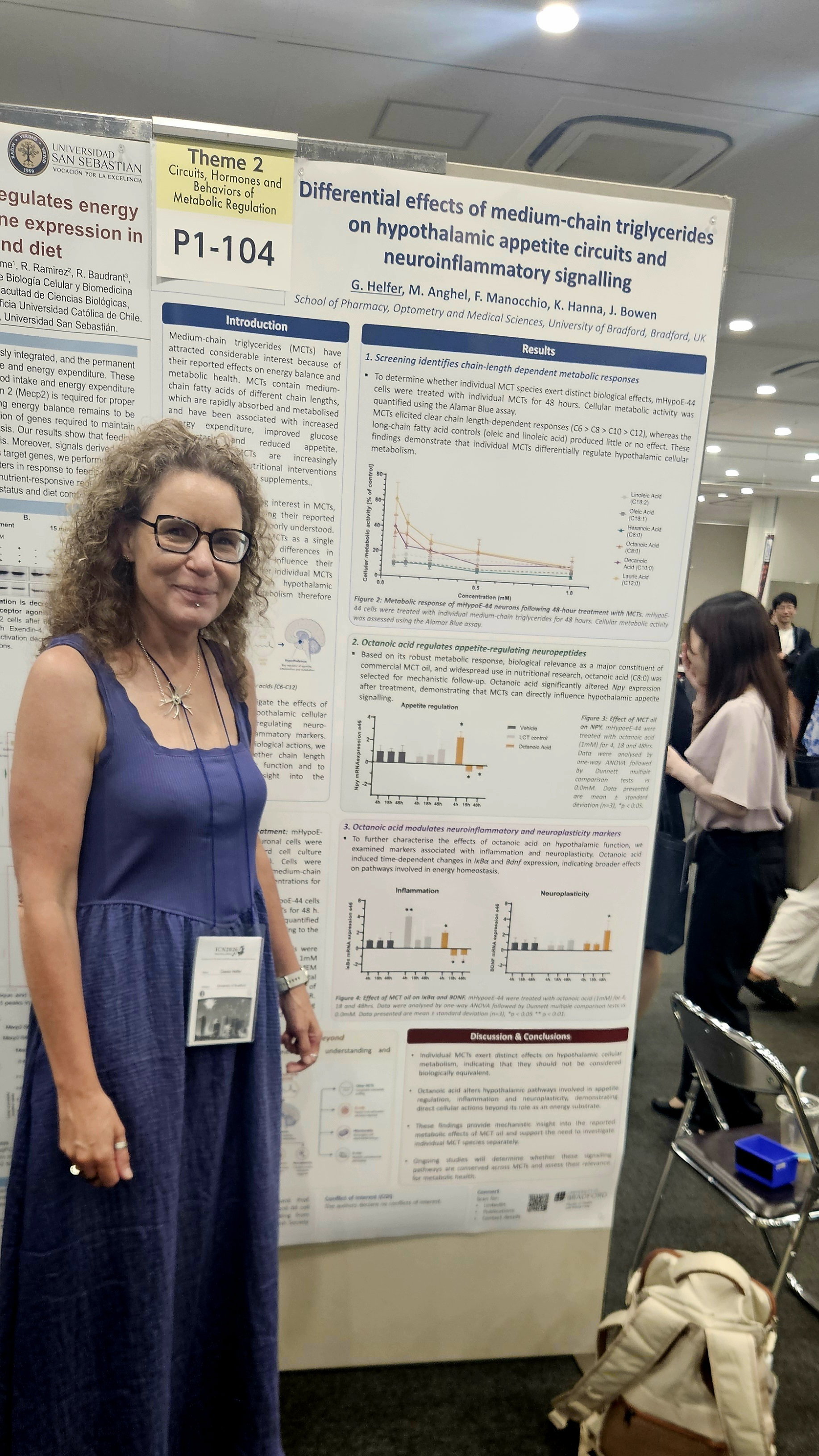
I had the opportunity to present our latest research on Sunday, showcasing our recent work on how different MCTs influence hypothalamic neurons. The response was extremely positive, and it was a pleasure discussing our findings with researchers from across the world. Those conversations are often one of the most valuable parts of a conference, offering fresh perspectives and new ideas that simply don't emerge from reading papers alone.
The scientific programme itself was exceptional. Joe Takahashi's keynote lecture was, as always, outstanding, combining elegant science with remarkable storytelling. Another highlight was Kevin O'Byrne's Mortyn Jones Memorial Lecture, a thoroughly deserved recognition of his contributions to neuroendocrinology. And then there was Michelle Bellingham's plenary lecture on endocrine disruptors, which genuinely blew my mind. It was fascinating, thought-provoking and, at times, quite alarming, highlighting just how much we still have to learn about the environmental factors influencing health.
ICN2026 was a wonderful reminder of why conferences remain so important. They are about far more than presenting data. They are about exchanging ideas, challenging assumptions, meeting new collaborators and returning home with renewed enthusiasm for the next set of experiments. Now, it's time to turn that inspiration into science!