When fat talks to the brain
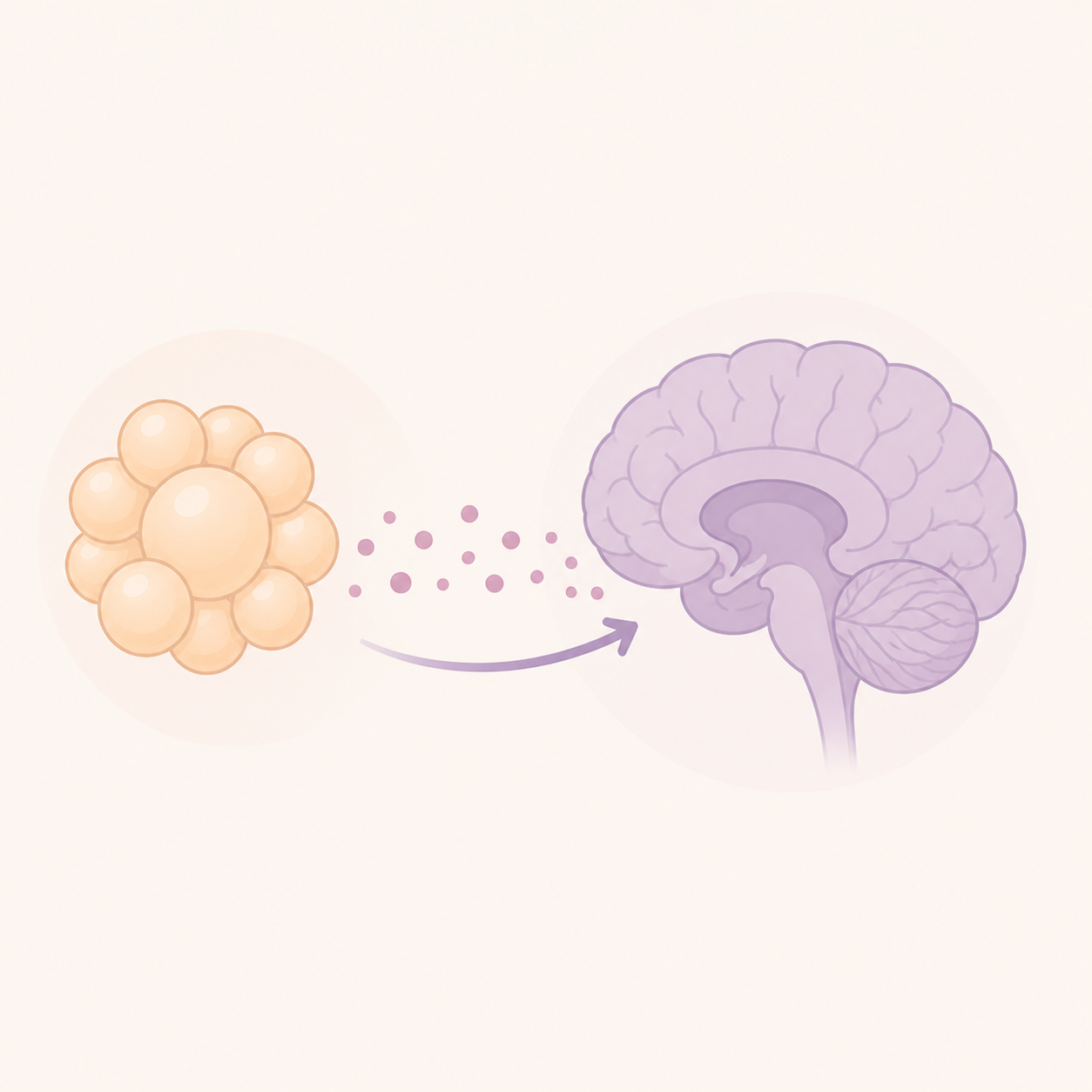
Why do our bodies sometimes seem to work against us when it comes to weight gain?
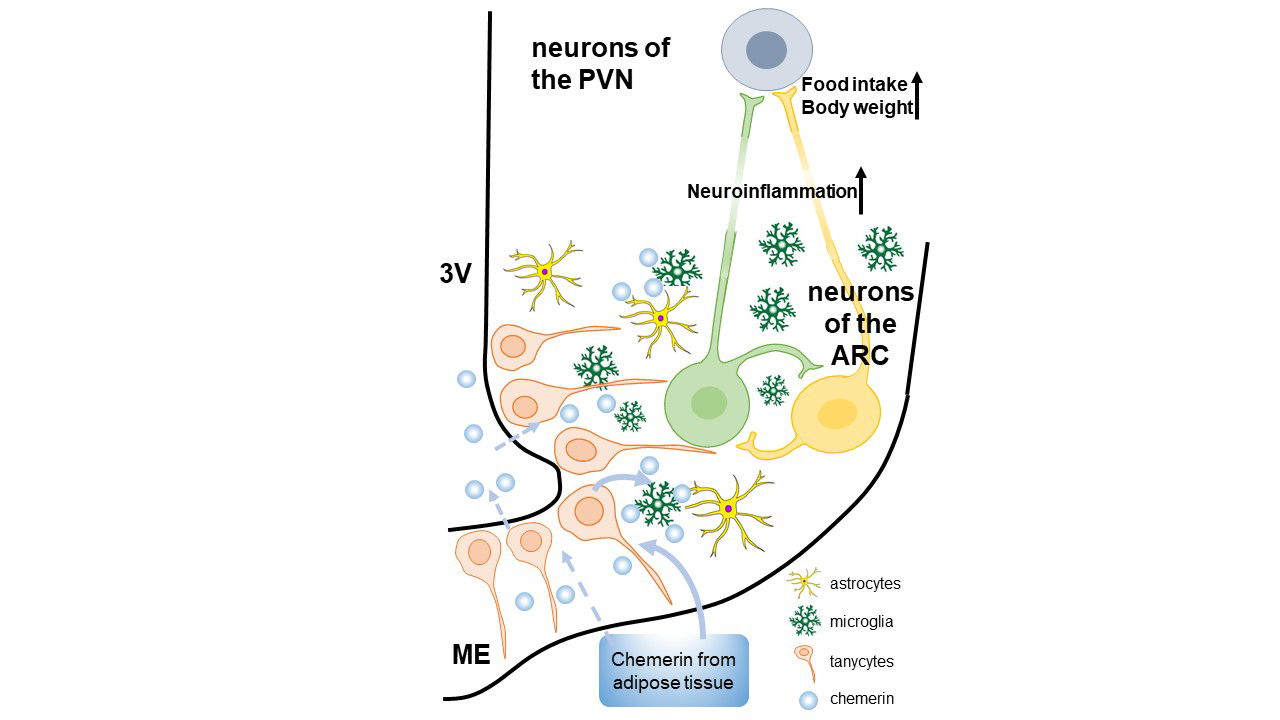
Part of the answer lies in hormones released by fat tissue that communicate directly with the brain. In this project, we study chemerin, a relatively new hormone that links metablism, inflammation, and brain function. While chemerin is well knowns for its role in the immune system, its effects on the brain are only just beginning to emerge. We investigate how chemerin acts in the hypothalamus, the brain's appetite control centre, to influence hunger, body weight and neuroinflammation.
Our research has shown that chemerin and it's receptors play a functional role in central energy balance and appetite regulation, highlighting a previously underappreciated link between inflammatory signals and the control of food intake.
References: