Out of sync, out of balance
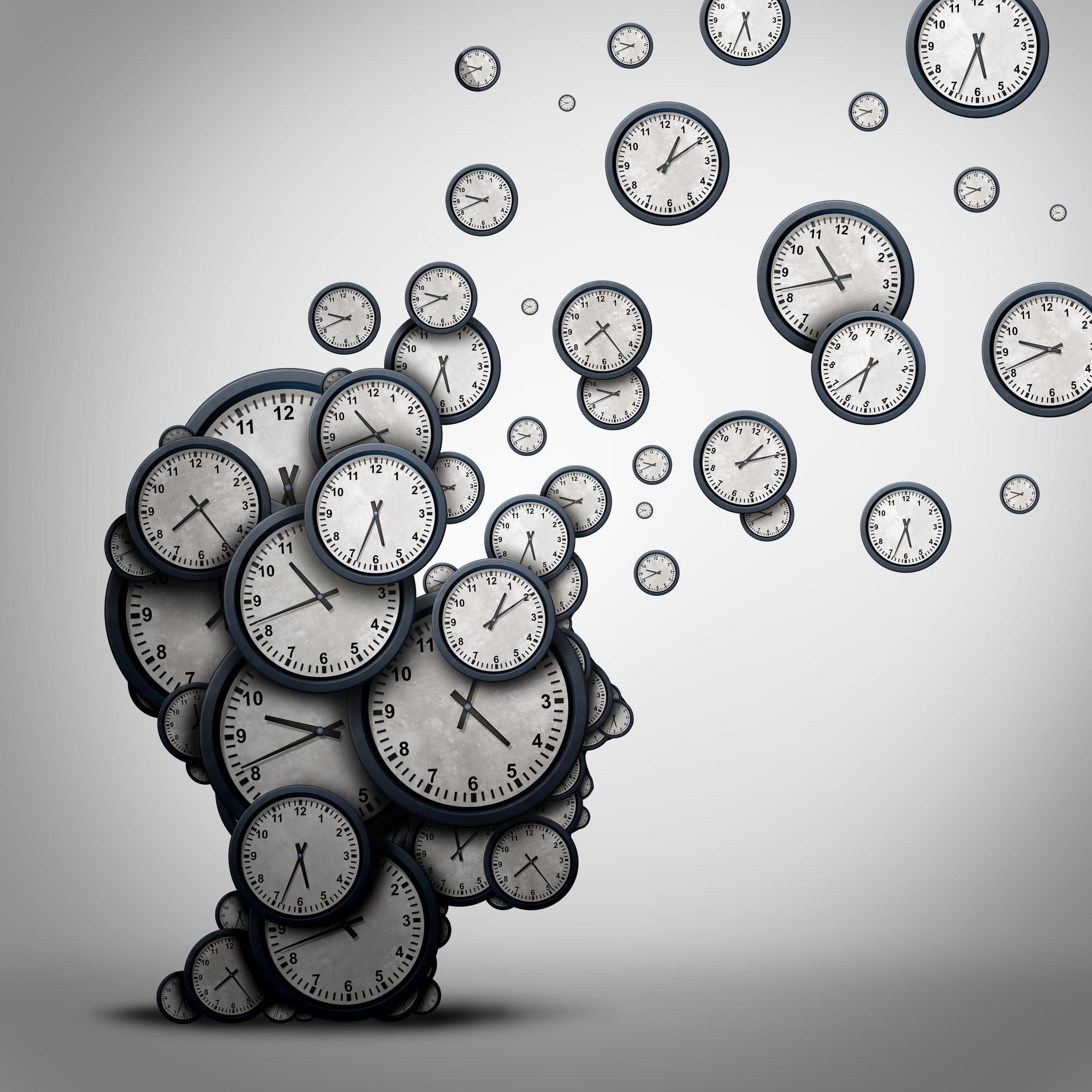
Every wondered why late nights, shift work, or irregular sleep can affect how hungry you feel, and how your body stores energy?
At the heart of this lies the circadian clock: the body's internal timekeeper that coordinates when we eat, sleep, and metabolise nutrients. Our research explores how biological clocks in the brain regulate appetite and body weight. Disruption to this system are increasingly linked to obesity and metabolic disease, but the underlying mechanisms are still not fully understood.
We study how specialised cells in the hypothalamus, called tanycytes, sense nutrients and communicate with appetite-regulating centres in the brain. These cells act as a critical interface between teh body and the brain, integrating singals from diets, environment, and time of day.
At the same time, we take a comparative approach by studying circadian rhythms in naked mole rats, an exceptionally long-lied species with unusual metabolic and ageing profiles. This allows us to ask how biological timing contributes to healthy metabolism and longevity.
Together, this work helps us understand how timing, not just what we eat, shapes metabolic health.
The Conversation. Daylight saving time: five tips to help you better adjust to the clock change